
Olympia Workers Compensation Attorney
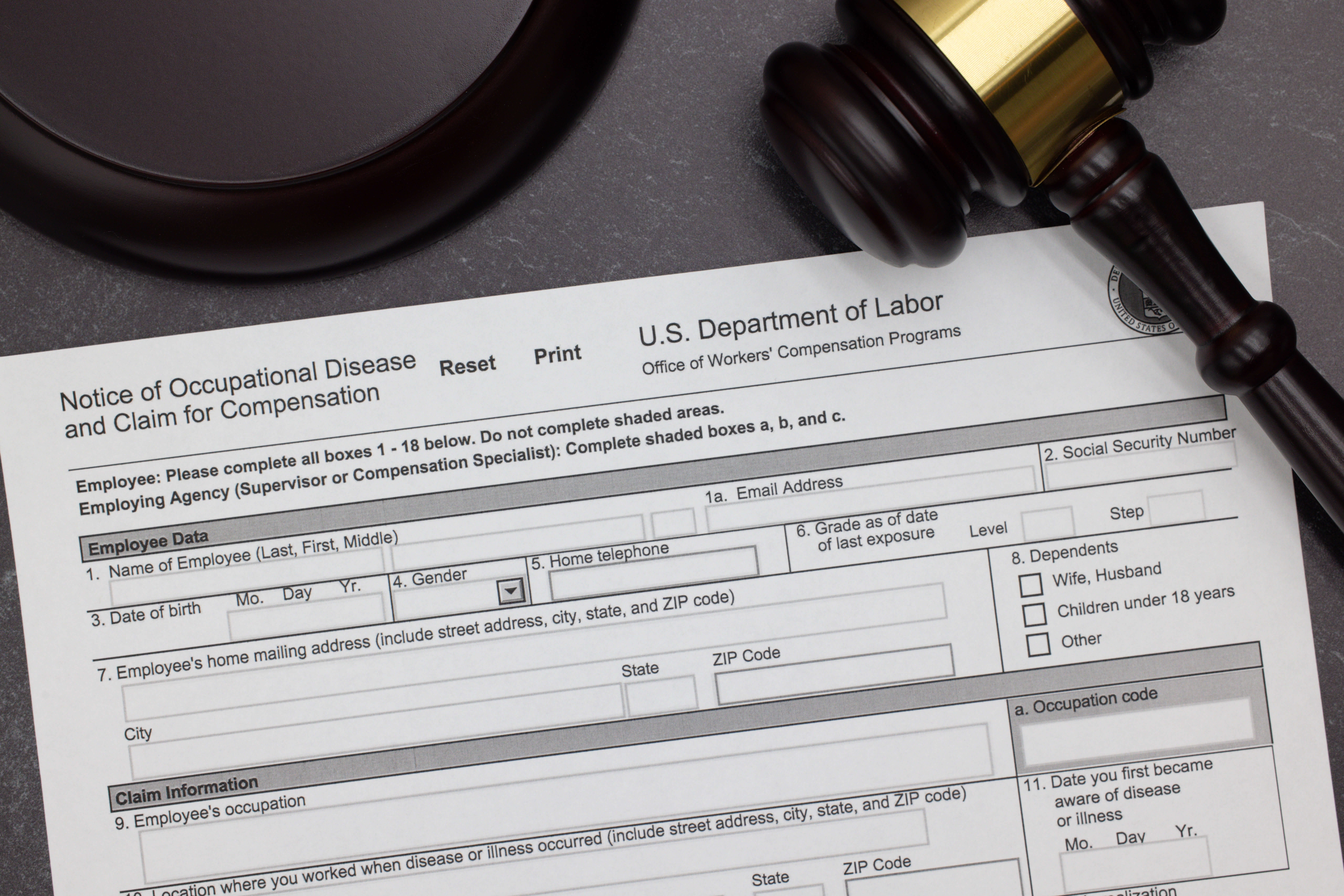
A work injury can leave you feeling off balance while you try to make sense of what to do next. Our Olympia workers compensation attorney at Putnam Lieb Potvin Dailey can help you seek financial assistance after a serious on-the-job accident.
Our Olympia personal injury law firm has been serving local families for 45+ years with practical support and honest answers. Our experienced team of attorneys has a strong record of assisting injured workers and fighting for their rights. Reach out when you are ready, and we can let you know how we can help.
What Your Workers’ Comp Benefits Can Actually Cover
When you file a workers’ compensation claim in Washington, the benefits are meant to help with the basic things you need to heal, stay afloat, and ultimately return to work. That can include both medical support and financial coverage while you are out. These benefits are there to meet real-life needs, not just check a box on a form.
You may be surprised by how many parts of your recovery are included. From emergency care to prescriptions to wage replacement, workers’ comp is supposed to help with more than just the first doctor visit. Here is a closer look at what those benefits can cover.
Medical Bills, Prescriptions, and Ongoing Treatment
If your injury requires medical attention, workers’ compensation may cover doctor visits, physical therapy, medications, and surgeries. Your provider must follow treatment guidelines, and the Department of Labor and Industries (L&I) usually requires pre-authorization for anything beyond basic care.
Some claims include coverage for transportation, durable medical equipment, or referrals to specialists. Under RCW § 51.32.090, time-loss compensation is also tied to the ongoing medical treatment your provider recommends. Your workers’ compensation lawyer can help you understand which services are included, how to request authorizations, and what to do if a treatment is denied or delayed.
Lost Wages and Partial Disability
Time-loss benefits are available if you cannot work because of your injury. These payments are designed to replace a portion of your income while you recover, typically between 60% to 75% of your wages, depending on your family and income level. You must have a doctor verify that you are unable to work, and those certifications need to be updated regularly.
Partial disability benefits may apply if your injury leads to a lasting condition that limits your abilities but does not fully prevent you from working. In those cases, you may receive a lump sum or structured benefit based on how the injury impacts your long-term earning capacity. These benefits are calculated using state guidelines and medical evaluations to estimate your level of impairment.
Vocational Services and Rehabilitation
Some workers are not able to return to the same job after an injury, even after treatment. In these cases, Washington workers’ compensation offers vocational rehabilitation services. This includes help identifying new career paths, training for different types of work, and support with job placement once you are medically cleared.
If your provider determines that you have permanent work restrictions and your employer cannot accommodate them, you may qualify for retraining under a plan approved by L&I. A vocational counselor will work with you to develop a plan based on your skills, experience, and what is realistic given your physical limitations. This program can be a helpful option if your goal is to return to work safely in a different role.
Death Benefits for Surviving Family Members
If a work injury or occupational illness leads to death, surviving family members may be entitled to benefits. These benefits can include help with funeral expenses and ongoing monthly payments for a spouse, dependent child, or other eligible relative. Washington workers’ compensation law recognizes how deeply these losses affect families and provides some financial support to help during a difficult time.
The surviving spouse may receive payments for life or until remarriage, while dependent children can receive benefits until they reach adulthood or finish school. In some cases, families may also qualify for educational assistance or access to counseling services. Our firm works with families to make sure they understand what is available and how to access the help they need.
How Missed Medical Appointments or Gaps in Care Can Affect Your Case
Your medical treatment plays a big role in how your workers’ compensation benefits are handled. It affects your claim, your payments, and how the insurer views your recovery. Insurers and claims managers keep close track of your appointments, treatment progress, and whether you are following your doctor’s orders in Thurston County and across the state.
Even small decisions can raise red flags if they are not documented or explained. Here are some common mistakes that may hurt your case:
- Missing scheduled doctor visits
- Skipping physical therapy without a reason
- Failing to attend an Independent Medical Exam (IME)
- Delaying follow-up care after a referral
- Refusing recommended procedures without documentation
- Not picking up prescribed medications
- Discontinuing treatment without medical approval
- Failing to report changes in symptoms or work status
These things happen more often than most people realize, especially when you are already stressed or trying to manage too many appointments at once.
At Putnam Lieb Potvin Dailey, our Olympia workers’ compensation attorneys work with injured workers to correct these issues before they become long-term problems. Under RCW § 51.36.070, you have a right to appropriate care, but you also have a responsibility to follow the treatment plan as closely as you can.
What to Do When You Disagree with the Doctor Chosen by L&I
If L&I schedules you for an Independent Medical Exam (IME), the doctor’s report can affect your benefits, treatment, and even whether your claim is approved.
These doctors are chosen by the insurer, not by you, and their opinions do not always reflect your experience. If you disagree with their findings, there are ways to speak up and request care from someone you trust.
What Independent Medical Exams (IME) Actually Involve
An Independent Medical Exam is a one-time appointment meant to give the insurer a second opinion on your condition. You may be asked questions about your symptoms, asked to complete physical movements, or simply interviewed about your injury and recovery. The doctor will then send a written report to L&I, which can influence how your claim is handled moving forward.
IME results are often disputed because the doctors involved do not have a long-term relationship with you. Their opinions can feel incomplete or overly focused on closing the claim. Our workers’ compensation attorneys in Olympia, WA review these reports carefully and help correct errors or unfair conclusions before they cause lasting damage to your case.
How to Request a Second Opinion or Treatment with Your Own Provider
If you disagree with the IME findings or want to continue treatment somewhere else, you may be able to switch providers with proper notice. You can request a second opinion if you believe the IME was inaccurate or the treatment plan is not working for your situation. You also have the right to see your own doctor after a work injury, but the medical provider must be approved by L&I.
If your work injury is serious or ongoing, having a consistent provider can help you document progress and get the care you actually need. Under RCW § 51.36.010, you have the right to choose your attending physician within the L&I-approved network. Our team helps you understand how to request the change and what steps are needed to protect your access to care.
Filing Mistakes That Can Lead to Delayed Workers’ Comp Benefit Payments
Even small paperwork errors can slow down your workers’ compensation payments. The process can feel confusing, especially if this is your first time filing a claim.
Many people make mistakes without realizing how much it can affect their workers’ comp timeline. Here are some common filing issues that can delay your benefits:
- Using the wrong claim number
- Leaving out your injury date or job title
- Not submitting medical records on time
- Skipping required forms or signatures
- Failing to update your provider certifications
- Listing an incomplete accident description
- Forgetting to include time-loss logs
- Sending documents to the wrong address
- Not reporting the injury to your employer quickly enough
The good news is that most of these problems can be fixed with the right help. At Putnam Lieb Potvin Dailey, we take the insult out of injury by stepping in to sort out the details and keep your claim on track. Under RCW § 51.28.025, employers and workers, under RCW § 51.28.015, must follow certain reporting timelines, but that does not mean one mistake should block your benefits.
How PTSD and Repetitive Stress Claims Are Handled in Thurston County
Not all work injuries happen in a single moment. In South Puget Sound, many first responders, health care workers, and laborers develop physical or mental health conditions over time from repeated strain or exposure to trauma. These types of claims are handled differently from sudden accidents, but they are just as real and just as valid as physical injuries.
Proving Repetitive Use Injuries or Degenerative Conditions
If your job requires heavy lifting, long hours of typing, or using tools that put strain on your joints, you may develop pain that worsens over time. Conditions like carpal tunnel, tendonitis, or back strain often start small but can turn into serious limitations that affect your ability to work. These are considered cumulative injuries and are eligible for benefits when linked to your work activities.
You may need extra documentation to show that your work injury developed because of your job duties and not from something outside of work. That might include past medical records, a physical exam, or an evaluation of your job tasks. We help you gather the necessary information so your claim does not get denied for lack of evidence.
Mental Health Claims Tied to Workplace Events
Post-traumatic stress disorder, anxiety, and depression are increasingly recognized in work-related claims. In both public and private workplaces, employees may be exposed to difficult or traumatic experiences that leave lasting effects. For first responders and health care workers in Thurston County, these issues can be especially common due to repeated exposure to emergencies or high-stress environments.
Under RCW § 51.08.142, certain mental health conditions are covered when they stem directly from your job. Firefighters, EMTs, and law enforcement officers are specifically included in this law, but other workers may qualify based on the facts of their case. If you are struggling with mental health after a work-related incident, our workers’ compensation lawyers can help you understand what support may be available.
What Olympia Workers Should Know About Self-Insured Employers
Some of the biggest employers in Olympia do not use the state-run workers’ compensation system. Instead, they manage their own claims through third-party administrators.
These self-insured workers’ compensation claims can feel more adversarial and less transparent than claims handled directly by the Department of Labor and Industries. If your employer is self-insured, the process may feel different from the beginning. Here are a few ways these claims often work differently:
- Decisions are made by the employer or their administrator
- Communication may come from a third-party company, not L&I
- There may be stricter deadlines for submitting paperwork
- Treatment authorizations can take longer or require more follow-up
- Denials may be issued more quickly without a full explanation
- Claims can involve more aggressive return-to-work efforts
- Some providers may be hesitant to deal with self-insured cases
- Appeals may require different steps than standard claims
At Putnam Lieb Potvin Dailey, we have significant experience working on both sides of these cases and know how to respond when things are not handled fairly. Under Chapter 14 of 51 RCW, self-insured employers are required to follow the same standards as the state, but they do not always make it easy for you to see.
Contact Our Experienced Olympia Workers Compensation Attorney
Our workers’ compensation lawyers in Olympia, WA believe in straight answers, clear communication, and support that meets you where you are. Whether you need help with paperwork, have questions about your benefits, or just want to know what comes next, we are here to walk through it with you. To speak with our workers’ compensation attorneys, contact our Olympia law office.